
Table of Contents
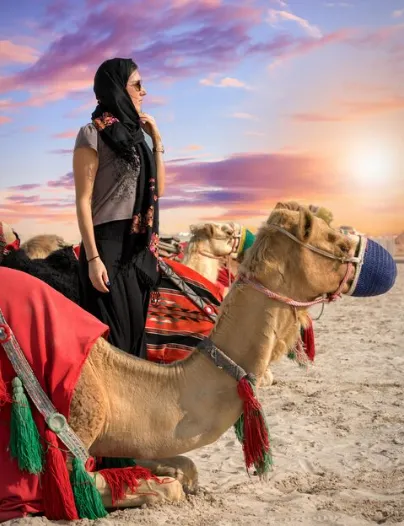
Morocco’s landscapes and communities are part of what make Morocco tours so rewarding, and both deserve care in return. As more travelers head to the Sahara each year, the choices they make, which operator to book, which camp to sleep in, how they behave on the road, have a real effect on the people and places they visit. This guide looks at Morocco desert tours and authentic Morocco tours through that lens, showing how to travel well rather than simply travel far.
Why Responsible Travel Matters in Morocco
Tourism is a major part of Morocco’s economy, and it can support local communities, fund conservation and preserve craft traditions when done thoughtfully. It can also strain water resources, displace traditional livelihoods and reduce culture to a photo opportunity when done carelessly. The difference often comes down to who benefits from a tour, and how.
What Makes Morocco Tours Genuinely Authentic
“Authentic” is used loosely in marketing, so look for concrete signs of responsible practice:
- Local ownership: Family-run riads, kasbah guesthouses and desert camps that keep income in the community, rather than international chains.
- Fair wages: Guides, drivers and camp staff who are paid fairly and treated well.
- Genuine cultural exchange: Visits to villages or cooperatives that are welcomed by the community, not staged for tour groups.
- Small groups or private travel: Less strain on fragile sites and more respectful, personal interactions.
- Transparent sourcing: Meals and crafts that come from local producers and artisans.
Ask an operator how they support the communities along their routes. A detailed, specific answer is a good sign.
Responsible Practices on Morocco Desert Tours
The Sahara is a fragile environment, and desert tourism has grown quickly around Merzouga and the Erg Chebbi dunes. A responsible desert tour typically includes:
- Camel welfare standards, including reasonable trekking hours and rest for the animals
- Waste management, with camps that pack out rubbish rather than leaving it in the dunes
- Water awareness, since desert communities depend on limited water resources
- Support for nomadic and Berber families who have long-standing ties to the land and often run the camps themselves
- Respect for quiet and darkness, avoiding excessive noise or light that disturbs the natural setting
Choosing a Camp with Impact in Mind
- Traditional camps: Often family-run, with a lighter environmental footprint, though facilities are basic.
- Comfort camps: Real beds and private bathrooms, ideally still locally owned and operated.
- Luxury camps: Higher resource use for heating, water and amenities, so look for camps that state clear sustainability practices.
Ask directly about waste disposal, water use and staff conditions if this matters to you.
Traveling the Marrakech-Fes Corridor Thoughtfully
Many Morocco desert tours follow the crossing between Marrakech and Fes, passing through the High Atlas, Aït Benhaddou, Todra Gorge, the Dades Valley and the Sahara. This route touches several communities that depend heavily on tourism income, from kasbah guesthouse owners to camel guides and craft cooperatives.
Simple choices make a difference:
- Eat where locals eat, rather than at tourist-only restaurants with little community benefit.
- Buy crafts directly from artisans or cooperatives instead of unmarked shops with unclear sourcing.
- Tip fairly for guides, drivers and camp staff, since tourism wages can be inconsistent.
- Ask before photographing people, particularly in villages and markets.
- Dress modestly in medinas and rural areas out of respect for local norms.
How to Choose a Responsible Operator
- Ask about community partnerships. Does the operator work with local families, cooperatives and guides?
- Check staff treatment. Fair pay and reasonable working hours for drivers and guides are a good sign.
- Look for environmental practices. Waste management, water conservation and animal welfare standards in the desert.
- Read reviews for specifics, not just star ratings. Comments about guides, hosts and communities are especially telling.
- Favor small groups or private tours when possible, since smaller footprints suit fragile environments and communities.
- Be cautious of very low prices, which can signal underpaid staff, overworked animals or unsustainable practices.
The Traveler’s Role
Responsible tourism is not only the operator’s responsibility. Travelers shape the experience too:
- Slow down. Fewer stops, done well, are better than a rushed checklist.
- Ask questions. Genuine curiosity about people’s lives, respectfully expressed, is welcomed almost everywhere in Morocco.
- Spend locally. Small guesthouses, family restaurants and independent artisans benefit directly from your choices.
- Leave no trace. Especially in the desert, where the landscape is fragile and slow to recover.
Best Time to Go, with Impact in Mind
- Spring (March to May) and autumn (September to November) see the highest demand, which supports more local businesses but also means more strain on popular sites.
- Winter (December to February) is quieter, which can mean a gentler footprint, though desert nights are cold.
- Summer (June to August) sees fewer visitors inland due to heat, offering quieter roads for those who plan carefully.
Practical Tips
Pack a light scarf for sun and sand, sunglasses, sunscreen, sturdy shoes and a warm jacket for the evening. Bring a reusable water bottle where possible, and avoid single-use plastics in fragile desert areas. Carry small cash for tips and direct purchases from artisans, and dress modestly in villages and medinas.
Conclusion
The best Morocco tours leave the places and people they touch better off, not worse. Authentic Morocco tours built on fair partnerships and genuine local involvement, paired with responsibly run Morocco desert tours that respect the Sahara’s fragile environment, offer travelers a richer experience and a clearer conscience.
Choose an operator whose answers about community and environment are specific and confident, spend your money locally where you can, and travel a little more slowly. Morocco tends to reward exactly that kind of care.
